Stop fly-tipping near Marylebone Station: tenant action plan
Posted on 17/10/2026
Fly-tipping near Marylebone Station is one of those problems that can make an otherwise neat street feel messy fast. A couple of dumped bags, a broken chair, or an abandoned mattress by the kerb can turn into a bigger issue within hours. If you are a tenant, you may feel stuck between wanting to help and not wanting to step on anyone's toes. Fair enough. The good news is that you do have a practical role to play, and a clear plan helps more than people think.
This guide sets out a realistic tenant action plan for stopping fly-tipping near Marylebone Station. It covers what tenants can do, what to avoid, how to report problems sensibly, and how to keep rubbish from becoming a repeat nuisance. It also includes local context, common mistakes, and a simple checklist you can actually use. No fluff. Just the stuff that helps.
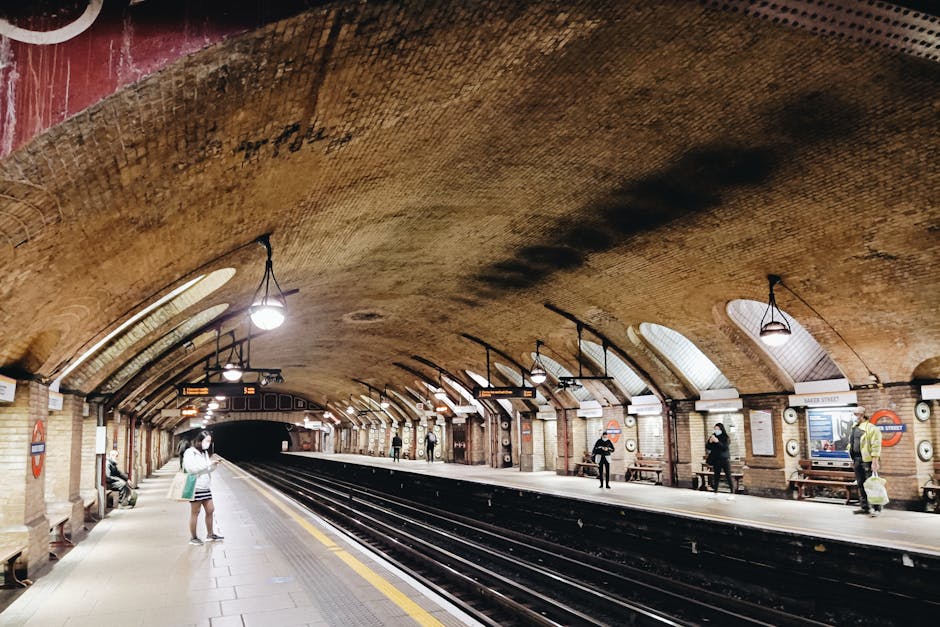
Why Stop fly-tipping near Marylebone Station: tenant action plan Matters
Fly-tipping is more than an eyesore. Near a busy transport hub like Marylebone Station, rubbish can quickly affect foot traffic, property entrances, bin stores, pavements, delivery access, and the everyday feel of the neighbourhood. Tenants often notice the problem first because they are the ones walking past it on the way to the Tube, coming home with shopping, or waiting for a parcel in a narrow courtyard.
There is also a practical side. Dumped waste can attract pests, block access for cleaning teams, and create extra work for landlords, managing agents, and residents. If items spill into shared areas, someone still has to move them. Sometimes it is the building team. Sometimes it is the tenant who cares enough to say, "Right, this needs sorting."
That is where a tenant action plan matters. It gives you a way to respond without panicking or assuming someone else will handle it. It also helps prevent the same pile of rubbish being returned by the same careless people, which, let's face it, happens more often than anyone would like.
Expert summary: A good tenant response to fly-tipping is not just about reporting the mess. It is about reducing opportunity, improving bin discipline, and making disposal easier than dumping. That simple shift changes behaviour over time.
For tenants living in busy parts of W1, the issue can be tied to move-outs, delivery overspill, short-term lets, or building recycling confusion. If you are also dealing with high turnover in the block, you may find it useful to look at broader local living context in resident insights about everyday life in Marylebone and the housing perspective in navigating Marylebone real estate.
How Stop fly-tipping near Marylebone Station: tenant action plan Works
The plan works by breaking the problem into three stages: spot it early, reduce the chance of repeat dumping, and make proper disposal easier for everyone in the building. That sounds simple, and honestly, it should be. The harder part is consistency.
In practice, a tenant-led approach often looks like this:
- Identify the source pattern. Is it one-off dumping from passers-by, a recurring issue near the bins, or leftover waste from a move?
- Document the problem safely. Take a clear photo, note the time, and record where it happened.
- Tell the right person first. In many buildings this is the landlord, managing agent, concierge, or caretaker.
- Report the issue through the relevant route. If it is on shared land or public pavement, use the local reporting process available to residents or building management.
- Reduce the easy wins for fly-tippers. Keep bin lids shut, avoid overflow, and never leave loose bags beside bins "just for now." Those bags become an invitation.
- Make legal disposal straightforward. If a bulky item needs removing, arrange a proper collection instead of leaving it beside the bin store.
What makes this effective is that it combines behaviour, communication, and practical disposal. One without the others usually falls flat. If a building keeps good reporting but poor bin habits, the mess returns. If a building has neat bins but nowhere sensible to put bulky waste, people start improvising. And improvised rubbish management is never pretty.
Tenants can also use local service pages to understand the sort of disposal options that make legal clearance easier, such as rubbish collection in Marylebone, waste removal support, or more targeted help for larger clear-outs like house clearance in Marylebone. That does not replace reporting. It complements it.
Key Benefits and Practical Advantages
A tenant action plan gives you structure, and structure matters when a problem keeps repeating. The benefits are fairly straightforward, but they add up quickly.
- Cleaner shared spaces: A tidier bin area changes how people behave. If the space looks managed, fewer people treat it like a dumping ground.
- Less friction between neighbours: Fly-tipping often causes blame. A shared plan reduces the usual "Was it yours?" conversations in the hallway.
- Faster response times: If tenants know who to tell and what to send, removal can happen sooner.
- Reduced pest and safety risk: Piled rubbish can spill, smell, or block routes. No one wants to step around a broken wardrobe at 8:15 on a wet Tuesday morning.
- Better compliance habits: Proper disposal becomes the norm, not the exception.
- Improved building reputation: Clean entrances and tidy external areas matter, especially near transport links and busy streets.
There is also a subtle benefit people overlook: confidence. Once tenants know how to handle the issue, they stop feeling helpless. That alone can make a building feel more orderly. Not perfect. Just better. And better is often enough to stop the pattern from getting worse.
Who This Is For and When It Makes Sense
This action plan is for tenants, but not only for one type of tenant. It is useful if you live in a studio near the station, a flat above a shop, a managed block, or a converted townhouse with shared bins at the back. If you have ever walked past a dumped sofa and wondered who is meant to deal with it, this is for you.
It makes particular sense when:
- fly-tipping happens more than once in the same spot
- there is confusion about bin collection days or bin store access
- the building has frequent move-ins or move-outs
- large items are left outside rather than booked for disposal
- residents keep saying "someone else will sort it"
It also makes sense for tenants in streets where footfall is heavy and people pass through quickly. Areas around stations can create a "not my problem" effect. One person leaves a bag. Another follows. By the time anyone notices, the pile has grown legs of its own.
If your home life is busy and space is tight, you may also find related local guidance useful, such as same-day clearance for Marylebone flats with tight staircases and the practical post code breakdown in the W1 rubbish collection zones guide.
Step-by-Step Guidance
Here is the tenant action plan in a simple, usable order. You can follow this whether you rent alone or share with housemates.
1. Confirm what you are actually looking at
Not every pile of waste is fly-tipping. Sometimes it is a missed collection, a legal bulky waste item waiting for removal, or a building issue. Before you act, check whether the item looks abandoned, whether it is in a common area, and whether it is blocking access.
If it is a single bag that clearly belongs to a neighbour's move-out, it may still need action, but the tone of your report can be different. If it is multiple items left beside the street, that is a stronger fly-tipping signal.
2. Make a safe record
Take a photo from a sensible distance. You do not need to stage a dramatic crime scene. Just capture the item, its location, and the surrounding context. If there is a label, delivery slip, or other useful detail, note it. Do not rummage through waste unless it is safe and appropriate. That part is often more trouble than it is worth.
3. Tell building management promptly
Send the photo and a short description to the landlord, managing agent, concierge, or caretaker. Keep it factual. For example:
"There appears to be fly-tipped waste by the rear bin store near the station side entrance. It was not there this morning. Please advise on removal and whether the area can be checked for repeat dumping."
Short, calm, useful. That is the sweet spot.
4. Ask for a disposal plan, not just a clean-up
A one-off removal may solve today's mess, but the next pile can appear tomorrow. Ask what will happen to stop the repeat pattern. Is the bin area accessible to outsiders? Is lighting poor? Are bulky items being left by people moving out? These are the questions that actually matter.
5. Improve the bin setup
If the building allows it, small changes can have a big effect:
- keep lids closed and locks working
- make bin labels clear
- separate recycling from general waste properly
- avoid overfilled bags at the edge of the store
- remove cardboard quickly after deliveries
Cardboard is a classic problem. It looks harmless for about five minutes, then it becomes a leaning tower of packaging nobody wants to flatten. You know the scene.
6. Book proper removal for bulky waste
If the problem includes a sofa, wardrobe, mattress, or construction debris, arrange proper removal rather than waiting for it to become "someone else's issue." For bigger jobs, local options such as builders waste disposal, office clearance, or garden waste removal may be more relevant than a general bag collection.
7. Follow up once, then escalate if needed
If the waste remains after a reasonable period, follow up politely. If the same issue keeps recurring, ask building management what prevention measures are being considered. Repetition is the clue here. Once is a nuisance. Twice is a pattern.
Expert Tips for Better Results
In our experience, the best fly-tipping prevention in tenant-led buildings comes from small habits repeated well. Nothing glamorous. Just the boring stuff done consistently.
- Keep communication central: One building WhatsApp group, one noticeboard, or one email contact is better than ten separate messages going nowhere.
- Use plain language: Avoid long complaints. Say exactly where the waste is and what it is blocking.
- Time your reports: If the waste appears after collection days or after weekend move-ins, mention that pattern. It helps management narrow the cause.
- Encourage bulky-item booking: Tenants are more likely to do the right thing if the process is easy and clearly explained.
- Watch the edges of the building: Fly-tipping often starts in blind spots near side passages, alleyways, and delivery access points.
One small but useful trick: if you live in a block with shared bins, ask whether a simple sign can be added reminding residents not to leave waste outside the store. It sounds almost too basic, but sometimes the reminder works. People rush, assume, forget. Then they see the sign and think twice.
Another tip: pair prevention with local context. If residents are hosting events or large gatherings nearby, rubbish volumes can spike. Nearby social activity can influence waste pressure, and that is true even in a polished area like Marylebone. For a lighter local lens, the page on best places for a Marylebone party gives a nice sense of the area's day-to-night rhythm.

Common Mistakes to Avoid
Here is where things often go sideways. None of these mistakes are unusual, which is why they deserve a mention.
- Leaving bags beside bins "temporarily": Temporary has a habit of becoming permanent.
- Assuming someone else reported it: If nobody owns the problem, it tends to linger.
- Dumping legal waste near the street instead of booking collection: This creates the same visual effect as fly-tipping, and it annoys everyone.
- Giving vague reports: "There's rubbish outside" is not as useful as "Two black bags and a broken chair by the rear gate."
- Arguing in the corridor: This rarely solves anything. It does make the hallway feel colder though.
- Ignoring repeat hotspots: If the same corner gets dumped on, treat it like a pattern, not an accident.
Another common error is underestimating the role of building routines. If waste collections, access codes, and bin storage rules are unclear, people improvise. And when people improvise with rubbish, it seldom improves the look of the place.
Tools, Resources and Recommendations
You do not need a big toolkit, but a few practical items can make tenant action much smoother.
| Tool or resource | Why it helps | Best use |
|---|---|---|
| Phone camera | Creates a clear record of the issue | First response when fly-tipping appears |
| Email template or shared message | Keeps reporting consistent | Contacting management or neighbours |
| Building noticeboard or group chat | Improves communication | Shared updates about waste, access, or collections |
| Clear disposal booking process | Makes legal disposal easier | Bulky items, move-outs, or renovation waste |
| Removal service information | Reduces hesitation | When tenants need fast, lawful clearance |
For readers looking at practical next steps, it can help to review the wider service landscape on the site, including the broader services overview and the company background on about us. If cost planning is part of the decision, the pricing and quotes page is the natural place to compare expectations before you book anything.
And if you care about how waste is handled after collection, the recycling and sustainability page is worth a look. Good waste habits should not just move the problem somewhere else. That is the whole point, really.
Law, Compliance, Standards, or Best Practice
This topic touches on local responsibility, waste handling, and property management best practice. The safest approach is to keep your actions practical and within the normal expectations of UK waste disposal and tenancy living.
In plain English, tenants should avoid leaving items where they could be treated as abandoned waste. If something is yours, keep it contained until it is collected or moved properly. If waste appears to have been dumped illegally, report it through the appropriate route and share clear evidence with building management where relevant.
A few sensible best-practice principles apply:
- Do not obstruct access routes. Fire exits, pavements, and communal corridors should stay clear.
- Use authorised disposal channels. Bulky items, renovation leftovers, and garden waste should be handled through proper collection methods.
- Keep records. If a problem repeats, note dates and times so the pattern can be acted on.
- Protect residents and visitors. Sharp items, loose glass, and unstable piles should be treated as urgent hazards.
Where a building has its own rules, those rules should be followed first. In practice, that means reading tenancy guidance carefully, checking bin arrangements, and asking management before leaving any large item in a shared area. It may sound obvious, but the obvious step is often the one skipped on a busy afternoon.
For readers who want to understand how the local area fits together, the guide to W1 rubbish collection zones can help frame the practical side of disposal in the neighbourhood.
Options, Methods, or Comparison Table
There is more than one way to deal with waste near a station area. The best method depends on the type of waste, how quickly it needs moving, and whether the issue is one-off or recurring.
| Method | Best for | Strengths | Weaknesses |
|---|---|---|---|
| Report to building management | Shared bin issues, access problems, repeat hotspots | Low effort, fast escalation inside the building | May not remove waste immediately |
| Arrange proper bulky waste removal | Furniture, mattresses, large household items | Stops ad hoc dumping, clears space quickly | Needs booking and coordination |
| Improve bin area controls | Repeat fly-tipping and overflow | Prevents recurrence, supports resident behaviour | Needs landlord or agent cooperation |
| Document and monitor pattern | Recurring dumping at the same spot | Helps identify timing and cause | Doesn't solve the issue alone |
In many buildings, the winning combination is not one method, but two or three used together. A report without removal leaves a mess. Removal without prevention invites the same mess back. A tidy bin area without clear communication still gets ignored. Bit frustrating, yes. But manageable.
Case Study or Real-World Example
Picture a typical weekday near Marylebone Station. It is early, the pavement is damp, and there is already a bit of movement from commuters and delivery drivers. A tenant notices two refuse sacks, a flattened box, and part of an old bedside table left beside the communal bins. By late afternoon, the bags have been split open. Not ideal.
Instead of leaving it to drift, the tenant takes three actions. First, they photograph the waste and note the time. Second, they message the managing agent with a clear description. Third, they ask whether bulky-item removal can be arranged for the table and whether the bin area can be checked for access issues.
Management responds, the waste is removed, and the resident group is reminded not to leave bags beside the bin store. A lock on the side gate is also checked because someone had been slipping through with items after hours. A week later, the area is still clean. Not perfect forever, but noticeably better.
That is the point of a tenant action plan. It is not dramatic. It is steady. And in real life, steady beats frantic almost every time.
Practical Checklist
Use this checklist when you spot fly-tipping near Marylebone Station or in your building.
- Take a clear photo of the waste.
- Note the exact location and time.
- Check whether it is abandoned waste, missed collection, or a bulky item awaiting removal.
- Tell the landlord, managing agent, or caretaker.
- Ask for a removal and prevention plan.
- Keep bin lids shut and bags inside the proper storage area.
- Avoid leaving items beside bins, even briefly.
- Arrange proper bulky waste clearance for large items.
- Follow up if the waste is not removed within a sensible timeframe.
- Record repeat incidents so patterns are easier to spot.
If you want a more direct route for proper disposal when the problem is your own bulky item rather than dumped waste, local collection options such as bulky waste pickup guidance and rubbish dropoff locations near Portman Square can be useful reference points for planning lawful disposal.
Quick takeaway: report early, remove properly, reduce access, and keep the bin area boring. Boring is good. Boring means no one is using your pavement as a shortcut landfill.
Get a free quote today and see how much you can save.
Conclusion
Stopping fly-tipping near Marylebone Station is not about one heroic gesture. It is about a simple tenant routine that makes dumping harder and proper disposal easier. Once you know what to look for, how to report it, and when to ask for removal, the whole thing becomes much more manageable.
Start with the basics: document the issue, report it clearly, encourage sensible bin use, and make legal waste removal straightforward. Keep an eye on repeat hotspots and do not let small piles become accepted background noise. That part matters more than people realise.
And if you are living in the middle of all the footfall and movement around the station, take heart. A cleaner shared environment is built one sensible decision at a time. Sometimes that is enough. Actually, more than enough.
 Tipper Van - Domestic Waste Removal and Rubbish Removal Prices in Marylebone, W1
 Luton Van - Domestic Waste Removal and Rubbish Removal Prices in Marylebone, W1